


-

Add: HeBei ShengShi HongBang Cellulose Technology CO.,LTD.
-

Email
13180486930@163.com -

CONTACT US
+86 13180486930

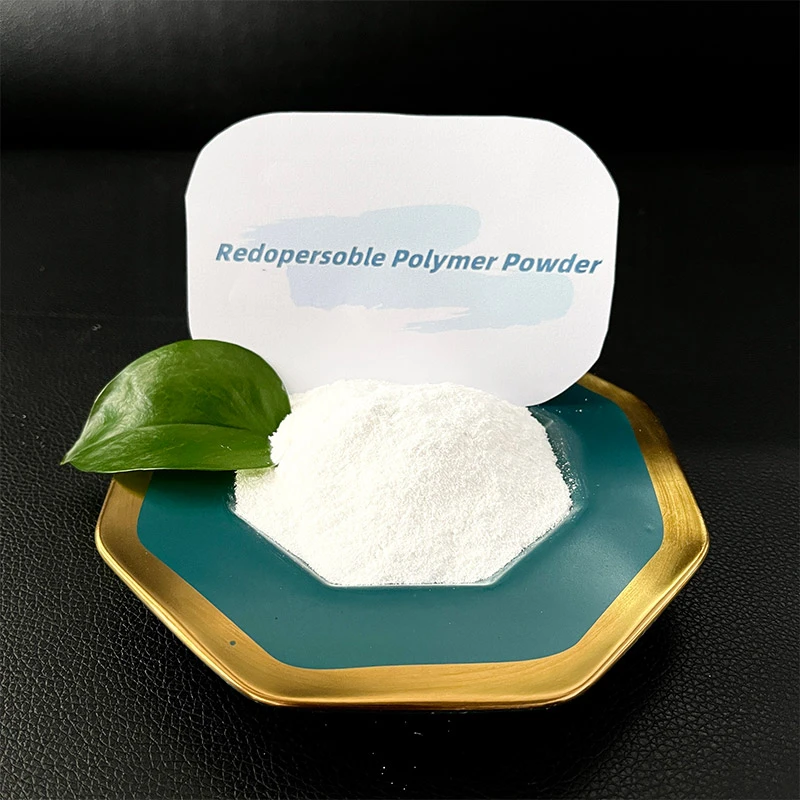
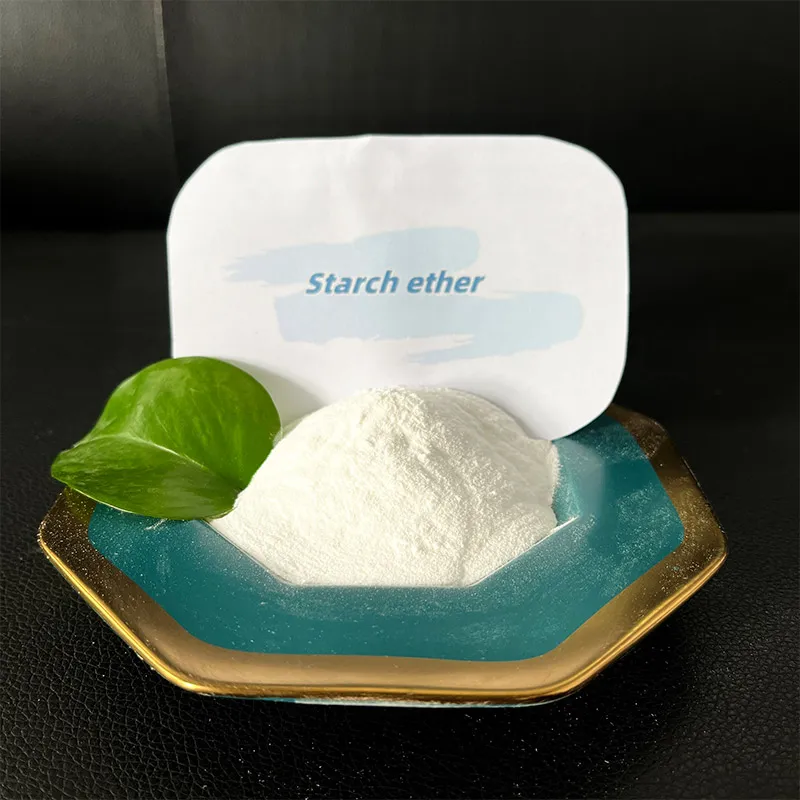
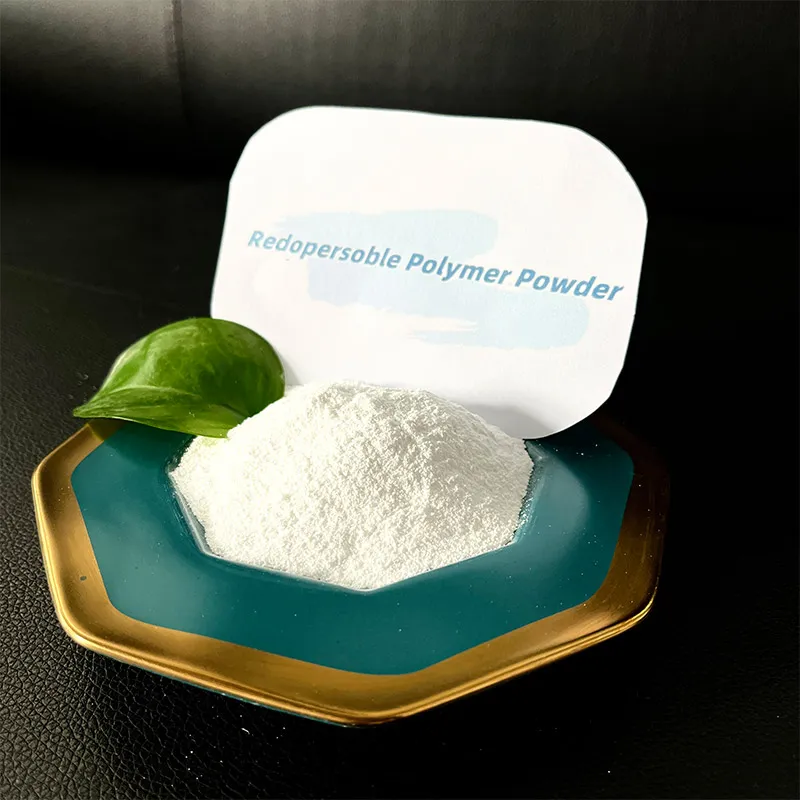



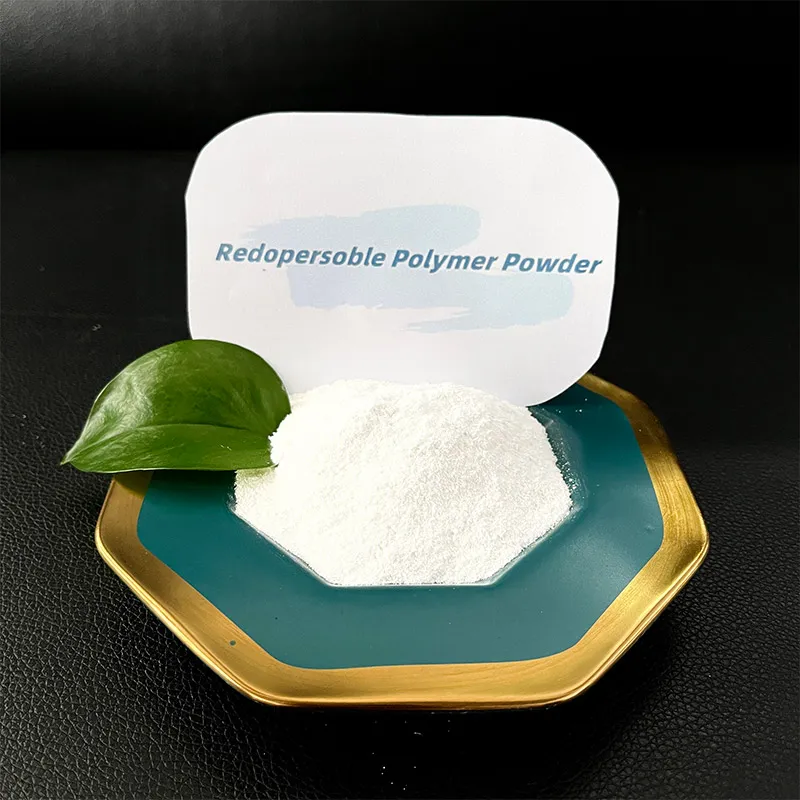
Polimer Un Taği Zamonaviy Texnologiyalar va Qishloq Xo‘jaligida Qo‘llanilishi Polimer un taği, zamonaviy materiallar muhitida muhim o‘rin tutadi. U polimerlarning mikroskopik qismlaridan tashkil topgan bo‘lib, ko‘plab sohalarda qo‘llaniladi, ayniqsa qishloq xo‘jaligida. Ushbu maqolada polimer un tağinin nimadan iboratligi, uning xususiyatlari va afzalliklari haqida so‘z yuritamiz. Polimer un taği, asosan, plastik materiallardan yaratiladi. Un taği sifatida qo‘llanilishidan maqsad, qishloq xo‘jaligida tuproqni yaxshilash, o‘simliklarni himoya qilish va yig‘im-terim jarayonlarini soddalashtirishdir. Bu materiallar nafaqat o‘simliklar uchun ozuqa manbai bo‘lib xizmat qiladi, balki tuproqning fizik va kimyoviy xususiyatlarini ham yaxshilaydi. . Bundan tashqari, polimer un taği tuproqni mahkamlaydi va uning strukturaviy yaxlitligini ta’minlaydi. Bu, o‘simliklarning ildiz tizimining yanada yaxshi rivojlanishiga yordam beradi. Tuproqning tuzilishi yaxshi bera olishi va havo almashinuvi yaxshi bo‘lishi natijasida, o‘simliklar sog‘lom va kuchli bo‘lib o‘sadi. полимер ұнтағы Polimer un taği, shuningdek, tuproqning kimyoviy xususiyatlarini yaxshilashda ham muhim rol o‘ynaydi. U tuproqdagi minerallarni va boshqa oziq moddalarni eng qiyin sharoitlarda ham saqlab qolish imkonini beradi. Natijada, o‘simliklar uchun zarur bo‘lgan ozuqa moddalarining samarali singishi ta’minlanadi. Qishloq xo‘jaligi sohasida polimer un tağini qo‘llash nafaqat o‘simliklarning samarali o‘sishini ta’minlaydi, balki bu jarayonni iqtisodiy jihatdan ham foydali qiladi. O‘simliklar yuqori hosil berishiga olib kelishi, fermerlar uchun moliyaviy jihatdan foydali bo‘ladi. Shuningdek, bu usul qishloq xo‘jaligida resurslarni tejashga yordam beradi, chunki suv va yeyish quvvatlari ancha samarali ishlatiladi. Shuni ta’kidlash kerakki, polimer un tağinin iste'moli va ishlatilishi ekologik jihatdan ham xavfsizdir. Tobora ko‘proq fermerlar va agronomlar bu materialni tanlaydilar, chunki u tuproqning ekotizimini buzmaydi va tabiatga zarar yetkazmaydi. Demak, polimer un taği nafaqat odamlar uchun, balki atrof-muhit uchun ham foydali materialdir. Xulosa qilib aytganda, polimer un taği zamonaviy qishloq xo‘jaligida juda muhim va foydali materialdir. Uning suvni ushlab turish, tuproqni yaxshilash va o‘simliklar hosilini oshirishdagi o‘rni har bir fermer va agronom uchun ahamiyatlidir. Polimer un tağini qo‘llash orqali qishloq xo‘jaligida samaradorlikni oshirish, istiqbolli kelajakni yaratish mumkin.
- 40000tons

Production
- 20+years

Experience
- 5000+㎡

Acreage

-
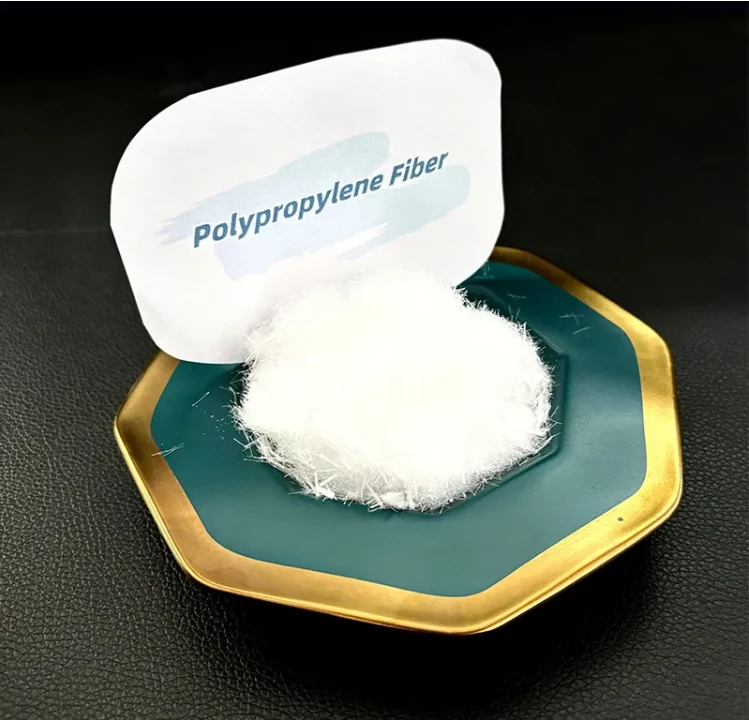
The world of construction and industrial materials is constantly evolving, and the demand for innovative and effective products is at an all-time high. One product that has gained significant attention in recent years is Hydroxypropyl Methylcellulose (HPMC) from China. This versatile compound has revolutionized various sectors due to its unique properties and uses. For anyone keenly exploring construction additives or seeking to optimize their industrial processes, understanding China HPMC offers a gateway to improved performance and efficiency. China, as a global leader in industrial manufacturing, has honed its expertise in producing HPMC of exceptional quality. This cellulose derivative is indispensable in the construction industry, particularly in products like tile adhesives, self-leveling compounds, and wall putties. Professionals in the field recognize the critical role HPMC plays in modifying the rheology of these materials, enhancing their workability, and ensuring optimal adhesion properties. Experts acknowledge that the evolution of construction demands materials that can withstand diverse environmental conditions while maintaining structural integrity. China HPMC stands out for its ability to provide thermal stability and water retention, characteristics highly sought after in modern construction demands. These properties help prevent shrinkage and cracking in dry conditions, saving developers and contractors both time and money in repairs and replacements. This HPMC’s reliability makes it a trusted choice for professionals worldwide who prioritize longevity and quality in their projects. Beyond construction, China HPMC's applications extend into various industries, such as pharmaceuticals, food production, and cosmetics. Its versatility is a testament to China's authority in manufacturing products that meet stringent international standards. In pharmaceuticals, for instance, HPMC serves as a critical excipient in controlled-release formulations, guaranteeing the effective delivery of active ingredients. Its safety and efficacy have been validated by authoritative health agencies, further emphasizing China’s commitment to upholding high standards in HPMC production. china hpmc Experience in using China HPMC highlights its unparalleled benefits . Manufacturers praise its consistent performance and quality, a result of China's rigorous production methods. This experience is shared by industry leaders who, through continual use, have come to trust China HPMC’s capabilities in enhancing product characteristics and overall outcomes. The transparency with which Chinese manufacturers operate, alongside their commitment to innovation, ensures consumer confidence and trustworthiness. From an expertise standpoint, China has invested significantly in technology and research to make HPMC a product that not only meets but exceeds global expectations. This investment is reflected in the customization offered in HPMC formulations tailored for specific industrial applications. Such expert control and modification allow companies to fine-tune their products to better align with market demands and consumer needs, delivering heightened satisfaction and maintaining competitive advantage. Trust in China HPMC is not merely built on product quality but also on the sustainability practices upheld in its production. Staying true to eco-conscious methods, China’s HPMC production processes aim to minimize environmental impact, aligning with increasingly stringent global environmental standards. This responsible approach ensures that China not only leads in innovation but also in sustainable industrial practices, reinforcing the global trust placed in its products. In conclusion, China HPMC is more than just a product; it is a symbol of modern industrial advancement and expertise. The compelling combination of experience, expertise, authority, and trustworthiness makes this compound an indispensable asset across various sectors. For industry professionals, choosing China HPMC is choosing a path of reliability, quality, and sustainability—a choice that’s supported by years of proven success and continuous innovation.
-

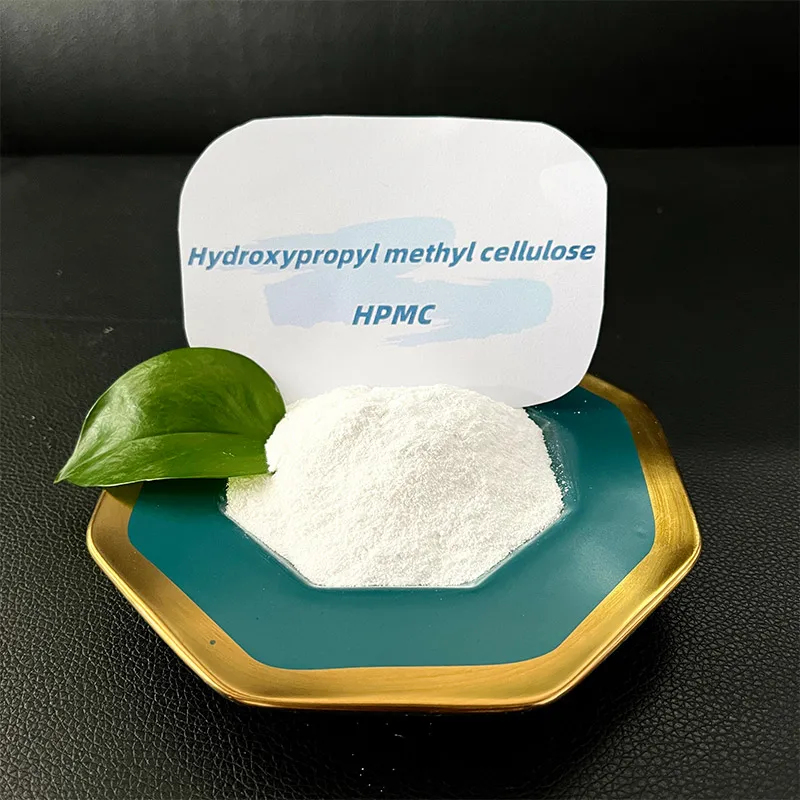
Exploring HPMC E15 A Versatile Excipient in Pharmaceutical Applications Hydroxypropyl Methylcellulose (HPMC) is widely acknowledged in the pharmaceutical industry for its multifunctional properties. Among its various grades, HPMC E15 has gained prominence due to its unique characteristics, making it an essential excipient in various dosage forms. This article delves into the composition, characteristics, applications, and advantages of HPMC E15 in pharmaceutical formulations. Composition and Characteristics HPMC is a semi-synthetic polymer derived from cellulose, a natural polymer found in plant cell walls. The E15 designation refers specifically to a grade with a viscosity of 15,000 centipoise when dissolved in water. This viscosity is conducive for many applications, as it provides a balanced option between solubility and gel-forming ability. HPMC E15 exhibits several critical characteristics, such as high thermal stability, excellent compatibility with a variety of active pharmaceutical ingredients (APIs), and non-ionic nature. This non-ionic behavior makes it an attractive choice for formulations where ionic interactions may affect the stability or solubility of components. Furthermore, HPMC E15 is soluble in cold and hot water, allowing for flexibility in formulation processes. Applications in Pharmaceutical Formulations HPMC E15 plays a multifaceted role in various pharmaceutical applications. One of its primary uses is as a film-forming agent in sustained-release formulations. Due to its gel-forming properties upon contact with moisture, it can control the release profile of APIs, thereby ensuring a prolonged therapeutic effect. This is especially beneficial in developing dosage forms for chronic conditions that require steady medication levels. Moreover, HPMC E15 serves as a thickening agent and stabilizer in suspensions and emulsions. It enhances the viscosity of formulations, preventing sedimentation of solid particles and enabling uniform dispersion. This is particularly crucial for ensuring consistent dosages in liquid formulations. By improving the stability of suspensions, HPMC E15 contributes significantly to the overall efficacy and safety of the product. hpmc e15 In tablet formulations, HPMC E15 functions as a binder and a disintegrant. Its hydrophilic nature allows it to absorb water readily, facilitating the disintegration of tablets upon ingestion. This characteristic is vital for fast-dissolving tablets, where rapid release and absorption are desired. Additionally, HPMC E15 is employed in ocular formulations, as its viscosity and bioadhesive properties help prolong the contact time of the drug with the eye's surface. This is particularly beneficial in treating dry eye syndrome and other ocular conditions, ensuring that the medication remains in contact with the target site for an extended period. Advantages of HPMC E15 The utilization of HPMC E15 in pharmaceutical formulations offers several advantages. Firstly, its wide-ranging solubility makes it suitable for a variety of formulations, catering to the diverse needs of patients. Secondly, its biodegradable nature aligns with the growing demand for sustainable excipients in pharmaceutical manufacturing. Furthermore, HPMC E15 is generally regarded as a safe compound, with minimal toxicity associated with its use. This safety profile encourages its adoption in various pharmaceutical applications, ranging from over-the-counter medications to prescription drugs. Lastly, HPMC E15 allows for enhanced patient compliance. The formulations utilizing HPMC tend to exhibit improved mouthfeel and taste masking properties, which contribute to a better overall experience for patients. Conclusion HPMC E15 stands out as a versatile excipient in the pharmaceutical industry, demonstrating significant benefits across various applications. Its unique properties and advantages make it an essential component in the development of effective, safe, and patient-friendly formulations. As the pharmaceutical landscape continues to evolve, the importance of reliable excipients like HPMC E15 will remain paramount, ensuring that patients receive optimal therapies tailored to their specific health needs. The ongoing research and development of HPMC E15 promise to unveil new potentials, driving innovation in pharmaceutical formulations for years to come.
advantages
-

200000 Viscosities
Excellent product
We can produce pure products up to 200,000 viscosities
-

40000 tons
High yield
We don’t stop production all year round, and the annual output can reach 40,000 tons
-

24 hours
Quality service
We provide 24-hours online reception service, welcome to consult at any time
———— Inquiry Form
Schedule A services

-
 hpmc_nasal_spray_covid
Oct . 25, 2025
Hydroxyethyl starch (HES) has surged into focus as a powerful tool within the medical and healthcare -
 hpmc_ophthalmic_solution_usp
Oct . 25, 2025
Understanding Wood Composition Cellulose, Hemicellulose, and Lignin Wood is a remarkable natural mat -
 hpmc_k15
Oct . 25, 2025
When evaluating dry eye treatment options, patients often consider the benefits and differences betw


